
Partial Dentures
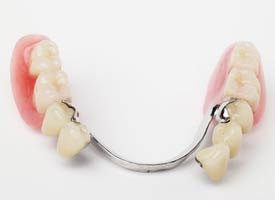
Partial dentures are removable dental appliances designed to replace one or more missing teeth, restoring both function and appearance. They help improve chewing, speaking, and confidence while protecting your remaining natural teeth from shifting.
Who Is a Good Candidate for Partial Dentures?
Partial dentures are suitable for patients who still have healthy natural teeth remaining but are missing one or several teeth. They are often recommended when:
• Multiple teeth are missing in different areas
• Dental bridges are not suitable
• Implants are not preferred or feasible
• A cost effective tooth replacement option is required
During your consultation, your dentist will assess the health of your remaining teeth and gums to determine whether a partial denture is the most appropriate solution.
Partial Denture Types and Materials
Material |
Best For |
||
How Partial Dentures Work
Benefits of Partial Dentures
Care Tips for Partial Dentures
- Remove and rinse your denture after eating.
- Clean daily using a denture brush and non-abrasive cleaner.
- Soak overnight in denture solution to maintain shape.
- Avoid hot water, which can warp the material.
- Visit your dentist regularly for fit checks and adjustments.
Signs Your Partial Denture Needs Adjusting or Replacing
Even with excellent care, partial dentures do not last forever. As your mouth naturally changes over time, the fit of your denture can gradually shift, affecting your comfort, function, and oral health. Knowing the warning signs early can help you address the issue before it becomes a more serious problem. Here is what to look out for.
1. Your Denture Feels Loose or Unstable
A well-fitted partial denture should feel secure and stable when you speak, chew, and smile. If you notice your denture rocking, slipping, or clicking during everyday activities, this is a strong indicator that the fit has changed and an adjustment or reline is needed. A loose denture can also cause sore spots and put uneven pressure on your remaining natural teeth and gums.
2. Persistent Soreness or Irritation
Some mild discomfort is normal when you first receive a new partial denture, but soreness that persists or develops after a period of comfortable wear should not be ignored. Ongoing irritation, red patches, or ulcers on the gums are often a sign that the denture is no longer fitting correctly and is placing pressure on the soft tissue in the wrong areas. Left untreated, this can lead to more serious tissue damage.
3. Difficulty Chewing or Speaking
If tasks that were once easy, such as chewing firm foods or speaking clearly, have become noticeably more difficult, your partial denture may no longer be fitting or functioning as it should. Changes in your bite or denture position can affect your ability to chew efficiently and may place additional strain on your remaining natural teeth over time.
4. Visible Cracks, Chips, or Wear
Inspect your partial denture regularly for any visible signs of physical damage, including cracks, chips, or worn-down teeth on the denture itself. Even minor damage can affect the fit and function of the appliance and may worsen over time if not addressed promptly. Attempting to repair a damaged denture at home is not recommended, as this can cause further damage or affect the fit.
5. Changes in Your Facial Appearance
The jawbone naturally changes shape over time following tooth loss, a process known as bone resorption. If you notice changes in your facial profile, such as a sunken appearance around the cheeks or lips, or if your bite feels different than it used to, your partial denture may no longer be providing the correct level of support and may require relining or replacement.
6. Your Denture Is More Than Five to Ten Years Old
As noted in the FAQs above, partial dentures typically last between five and ten years with proper care. If your denture is approaching or has exceeded this lifespan, it is worth scheduling a review with your dentist even if you are not experiencing obvious problems. Older dentures are more prone to developing issues, and a timely replacement can prevent discomfort and protect your remaining teeth.
7. Your Natural Teeth Have Changed
If you have had additional teeth extracted, dental work carried out on your remaining natural teeth, or changes to your gum tissue since your partial denture was made, the fit of your existing denture may be affected. Any significant change to your remaining teeth should prompt a review of your partial denture to ensure it still fits correctly and continues to function as intended.
When to Contact Your Dentist
If you notice any of the signs above, do not wait until your next scheduled check-up to seek advice. Contact Hornsby Family Dental Care on 02 9477 1212 and our team will assess your denture, determine whether an adjustment, reline, or replacement is needed, and ensure you are back to feeling comfortable and confident as quickly as possible.
Frequently Asked Questions
What are partial dentures?
Partial dentures are removable dental appliances that replace one or more missing teeth. They help restore your smile, improve chewing and speech, and prevent remaining teeth from shifting out of place.
What are partial dentures made of?
Partial dentures can be made from metal and acrylic or entirely from acrylic. Metal partials are thinner, more durable, and easier to clean, while acrylic partials are lighter and often used as a temporary or transitional option.
How do I know which type of partial denture is right for me?
Your dentist will assess your oral health, remaining teeth, and bite before recommending the best material and design. Metal partials are generally preferred for long-term wear, while acrylic ones may be suitable for short-term or budget-friendly solutions.
How long do partial dentures last?
With proper care, partial dentures can last five to ten years or longer. Regular dental check-ups ensure a proper fit as your mouth naturally changes over time.
Are partial dentures comfortable to wear?
Modern partial dentures are designed to fit comfortably and distribute chewing forces evenly. It may take a short adjustment period, but most patients quickly adapt to the feel of their new dentures.
How should I clean my partial dentures?
Remove and rinse your dentures after eating, brush them daily with a soft denture brush, and soak them overnight in a denture-cleaning solution or plain water. Avoid using hot water or abrasive toothpaste.
Can I eat normally with partial dentures?
Yes. After a brief adjustment period, most people can eat a wide variety of foods. It’s best to start with soft foods and gradually return to your usual diet as you get used to chewing with the denture.
Will wearing partial dentures change how I speak?
Some patients notice minor speech differences at first, but practice and time usually restore normal pronunciation quickly. Reading aloud can help you adjust faster.
How do I take care of my mouth while wearing dentures?
Clean your gums, tongue, and any remaining teeth daily. Visit your dentist regularly for adjustments, as ill-fitting dentures can cause soreness or affect your bite.