
Denture Care
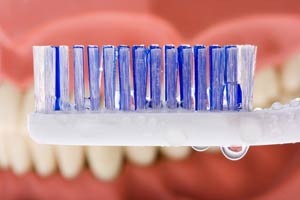
Proper denture care helps maintain a healthy mouth, comfortable fit, and a natural-looking smile. Brush your dentures daily with a soft brush, avoid hot water, store them in a cleaning solution when not in use, and visit your dentist regularly for adjustments.
What Is Denture Care?
Caring for your dentures is essential not only for appearance, but also for your overall oral health. Poor denture hygiene can lead to:
• Gum irritation and inflammation
• Fungal infections such as denture stomatitis
• Bad breath
• Staining and plaque build-up
• Premature wear of the denture
Maintaining a clean and well-fitting denture helps protect your gums, preserves jaw alignment, and ensures comfortable chewing and speaking.
Advice and tips on caring for your dentures
- Only your dental professional is qualified to diagnose your oral health and adjust your denture or partial.
- Dentures should be brushed inside and outside daily with a soft, large nylon denture tooth brush with round-ended bristles.
- Use denture creams instead of toothpastes, which are too abrasive and will scratch your denture. Rinse with cold water.
- Dentures warp if placed in hot water.
- Inspect your denture regularly for worn teeth.
- Worn and stained dentures can make you look older and cause your dentures to function poorly.
- Discuss all your current medications with your doctor and dental professional.
- Be sure to visit your dental professional regularly.
- Have loose dentures checked immediately as they can cause friction and pressure on the gum tissues and bones.
- When not in use, cover dentures with water or a denture-cleaning solution to prevent them from drying out.
- Most dental insurance policies provide coverage for new dentures every 5 years.
Storage & Maintenance
Common Denture Care Mistakes to Avoid
Even well-intentioned denture wearers can fall into habits that shorten the lifespan of their dentures or cause unnecessary damage. Here are the most common denture care mistakes to be aware of, and how to avoid them.
1. Using Regular Toothpaste to Clean Dentures
One of the most frequent mistakes is reaching for regular toothpaste to clean dentures. Standard toothpastes contain abrasive particles that are designed for natural tooth enamel, and these can scratch the surface of a denture, creating tiny grooves where bacteria, plaque, and stains can accumulate. Always use a non-abrasive denture cream or cleaner specifically formulated for dentures.
2. Rinsing with Hot Water
Hot water and dentures do not mix. Dentures are made from materials that can warp or distort when exposed to high temperatures, resulting in a poor fit that cannot easily be corrected. Always rinse your dentures under cold or lukewarm water, and never soak them in hot water or leave them near a heat source.
3. Letting Dentures Dry Out
Leaving dentures out of water for extended periods allows them to dry out, which can cause the material to become brittle, warp, or lose its shape. When your dentures are not being worn, always store them in a denture-cleaning solution or plain cold water to keep them moist and maintain their form.
4. Trying to Adjust Dentures Yourself
If your dentures feel loose, uncomfortable, or do not seem to fit as well as they used to, it can be tempting to try to bend or adjust them at home. This is a mistake that can cause irreparable damage to the appliance or make the fit worse than before. Any adjustments, relines, or repairs should always be carried out by your dental professional.
5. Ignoring a Loose or Uncomfortable Fit
Wearing dentures that no longer fit correctly is not just uncomfortable — it can cause friction and pressure on the gum tissue and underlying bone, leading to sore spots, inflammation, and longer-term changes to your jaw structure. If your dentures feel loose or are causing irritation, contact Hornsby Family Dental Care promptly rather than continuing to wear them without attention.
6. Skipping the Nightly Removal
Wearing dentures around the clock without giving your gums a rest is a common habit that can contribute to gum irritation, inflammation, and fungal infections such as denture stomatitis. Removing your dentures at night allows the gum tissue to recover and breathe, and gives you the opportunity to clean both the dentures and your mouth thoroughly before sleeping.
7. Using Household Bleach or Harsh Cleaners
Some people use household bleach or other harsh cleaning products in an attempt to whiten or disinfect their dentures. These substances can damage the denture material, weaken the structure, and cause discolouration, particularly to any metal components. Always use products specifically designed and approved for denture cleaning.
8. Skipping Regular Dental Check-Ups
It is a common misconception that regular dental visits are no longer necessary once you have dentures. In fact, routine check-ups remain just as important for denture wearers. Your dentist will monitor the fit of your dentures, check the health of your gum tissue and any remaining natural teeth, and identify any signs of wear or damage before they become more serious problems. As a general guide, most dental insurance policies also provide coverage for new dentures every five years, making regular reviews a practical as well as a health-focused priority.
Frequently Asked Questions
Q: How often should I clean my dentures?
At least once daily, ideally after meals, using a soft brush and non-abrasive denture cleaner.
Q: Can I sleep with my dentures in?
It is best to remove them at night to give your gums a rest and prevent irritation. Wearing dentures continuously without a break can contribute to gum inflammation and fungal infections such as denture stomatitis.
Q: How long do dentures last?
Most dentures last 5–7 years, depending on care and fit. Regular dentist visits can extend their lifespan. Most dental insurance policies also provide coverage for new dentures every five years.
Q: What should I do if my dentures feel loose?
Book an appointment with your dentist immediately for an adjustment or reline. Do not attempt to fix them yourself, as this can cause further damage and worsen the fit.
Q: Can I use regular toothpaste to clean my dentures?
No. Regular toothpaste contains abrasive particles designed for natural tooth enamel and can scratch the surface of dentures, creating grooves where bacteria and stains can build up. Always use a non-abrasive denture cream or cleaner specifically made for dentures.
Q: How should I store my dentures when not wearing them?
Always store your dentures in a denture-cleaning solution or plain cold water to keep them moist and prevent warping. Never leave dentures to dry out or soak them in hot water, as this can distort their shape and affect the fit.
Q: What happens if I wear ill-fitting dentures for too long?
Wearing dentures that no longer fit correctly can cause friction and pressure on your gum tissue and underlying bone, leading to sore spots, inflammation, and longer-term changes to your jaw structure. If your dentures feel uncomfortable or loose, seek professional attention promptly.
Q: Do I still need to visit the dentist if I have full dentures?
Yes. Regular dental check-ups remain important even without natural teeth. Your dentist will assess the fit of your dentures, monitor the health of your gums and oral tissues, and identify any signs of wear or change that may require attention.
Q: Can medications affect my dentures or oral health?
Some medications can cause dry mouth, which may affect how well your dentures fit and feel. It is important to discuss all current medications with both your doctor and dental professional so they can take this into account when managing your oral health and denture care.